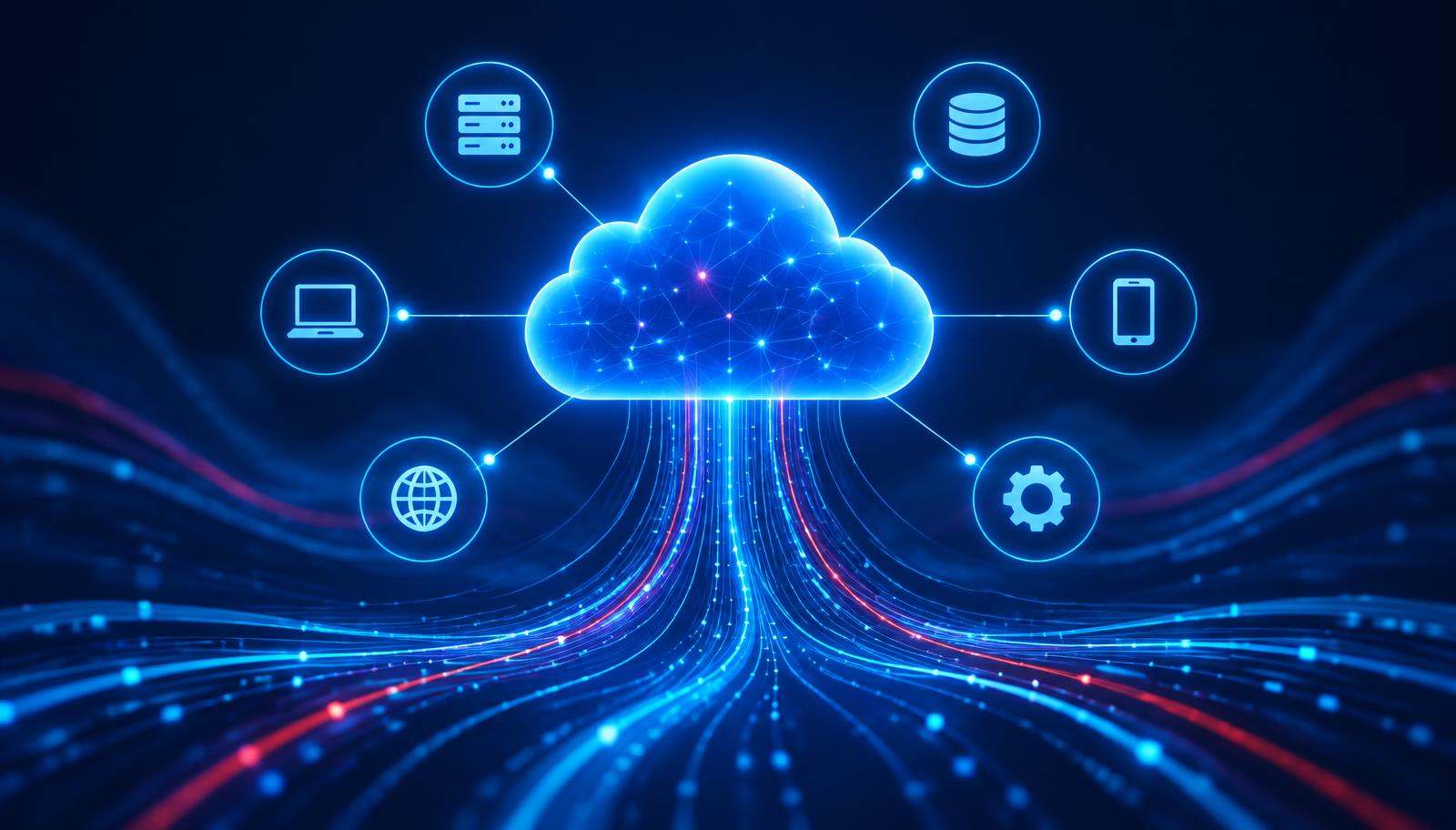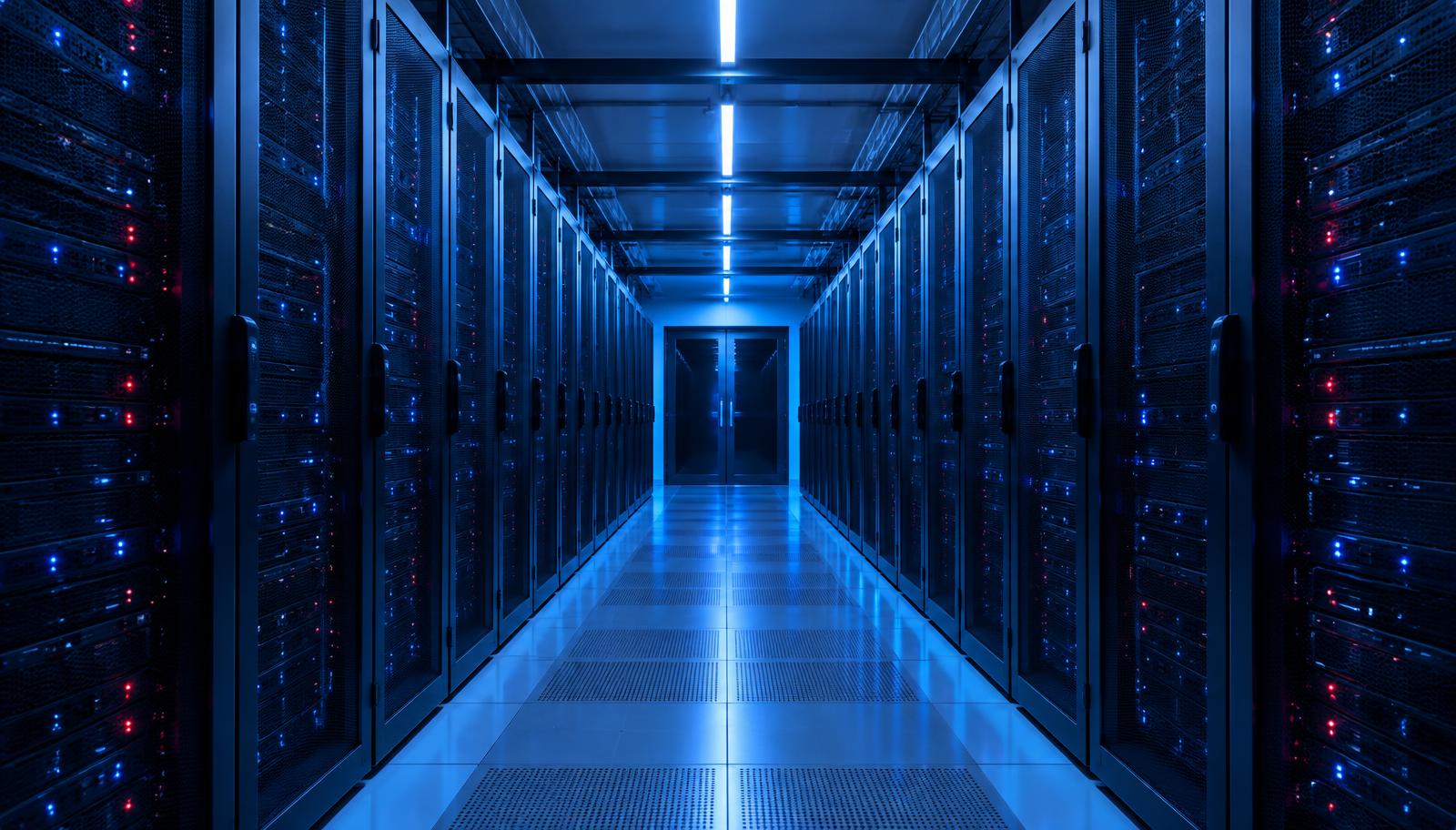
Siemens explores how surging AI demand is transforming data centres into AI factories, and how digital twins help design them before construction begins.
Originally published by Siemens on LinkedIn, 3 September 2026
Key highlights
- Rapid growth in AI usage is turning data centre design into a physical infrastructure challenge, not just a computing one.
- Purpose-built "AI factories" are emerging, designed to generate AI output at industrial scale.
- Power, cooling and computing are now so closely linked that facilities must be managed as one coordinated system.
- Digital twins allow engineers to design, test and optimise facilities before construction begins.
Introduction
In this article, Siemens explores how the explosive growth of AI is reshaping the data centre. The scale of the shift is striking: Google's monthly AI token processing grew roughly 330-fold in two years, from 9.7 trillion tokens in May 2024 to over 3.2 quadrillion by May 2026. More computing means more power to deliver and more heat to remove, while operators are under pressure to get new facilities running within a year or less without compromising reliability or safety.
From data centres to AI factories
To meet this demand, data centres are evolving into what Siemens calls AI factories: facilities built specifically to produce AI output, measured in tokens. These sites have much greater electrical capacity, advanced cooling and tightly controlled operations, allowing them to process information at very high speeds for industries ranging from healthcare to finance.
This changes how facilities are designed. Traditionally, infrastructure was planned around the applications it would run. According to Ciaran Flanagan, Siemens' Global Head of Data Center Solutions and Services, the processors themselves now shape the electrical and mechanical design, making an understanding of GPUs and AI accelerators just as important as understanding workloads.
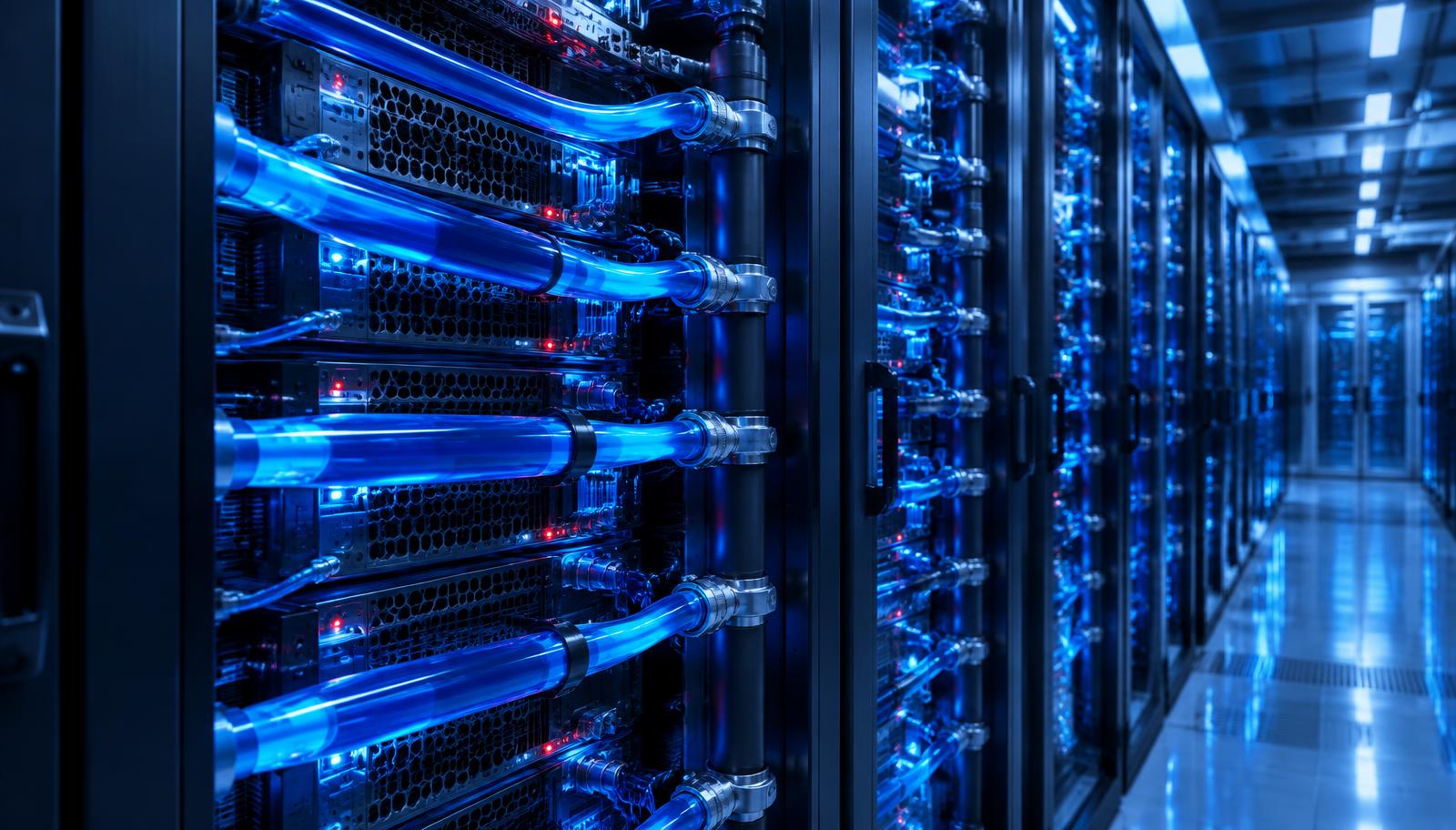
Alongside familiar measures like uptime, new metrics are gaining importance, such as "time to token" (how quickly a facility starts delivering AI value) and "tokens per watt" (how efficiently it turns energy into AI output). In one example, Taiwan's Industrial Technology Research Institute used Siemens simulation software and digital twin methods to develop a two-phase liquid cooling design that handled 50% more power density than the single-phase alternative tested.
Four engineering priorities
Siemens highlights four connected areas that AI factories must address:
- Higher power density: AI processors need far more electrical capacity than traditional systems, with NVIDIA projecting rack densities of around 600 kW by 2027.
- Advanced cooling: liquid and direct-to-chip cooling are becoming essential to maintain performance and reliability.
- Integrated operations: because compute, power and cooling constantly affect one another, they must be coordinated across the whole facility.
- Closer grid coordination: as facilities grow to hundreds of megawatts, operators will need flexible energy strategies, stronger partnerships with utilities and more renewable energy.
Designing before building
Digital twins, physics-based virtual models of a facility, are becoming central to this process. They let engineers simulate processors, power networks, cooling systems and operations before construction starts, helping to identify problems early, reduce risk and speed up commissioning. The same models remain useful after the facility is running, supporting tuning and future upgrades.
Siemens points to PepsiCo as an example from manufacturing, where digital twin simulation increased throughput by 20%. PepsiCo estimates virtual validation could cut capital spending by 10–15% and catch up to 90% of issues before physical changes are made.
Siemens and NVIDIA are also developing reference designs that plan the entire facility from the grid connection to the chip. One current design supports 100 MW of IT load using repeatable, pre-engineered building blocks that simplify construction and allow capacity to grow without a full redesign.
Orchestrating the whole system
The more interconnected a facility becomes, the more carefully it must be managed. If power, cooling or compute falls out of balance, the impact is felt across the entire site. Operators must therefore maximise performance within physical and grid limits while maintaining resilience. Looking ahead, Siemens sees the key challenge as scaling AI infrastructure responsibly, reducing energy waste, water use and community impact while supporting lower-carbon growth.
This is a summary of an article originally published by Siemens on LinkedIn. All rights to the original content belong to Siemens.
Read the full article on LinkedIn